Clear Aligners for Adults: Is It Too Late to Straighten Your Teeth?
Published June 13, 2026Plenty of adults think about straightening their teeth, then talk themselves out of it before they ever ask. Maybe your teeth have shifted over the years. Maybe you had braces as a teenager, stopped wearing your retainer, and now your smile has moved more than you expected. Or maybe you never had orthodontic treatment at all, and you are finally wondering what your options look like now.
As a teenager, braces can feel embarrassing because they show up right when you are trying not to stand out. As an adult, you may wonder if you missed the usual window or if straightening your teeth is something you should have handled years ago. It is easy to think of orthodontic treatment as something tied to a certain age, but teeth do not really work that way. However, you are in a position to invest in your smile and bite because you want to, not because someone else is deciding for you.
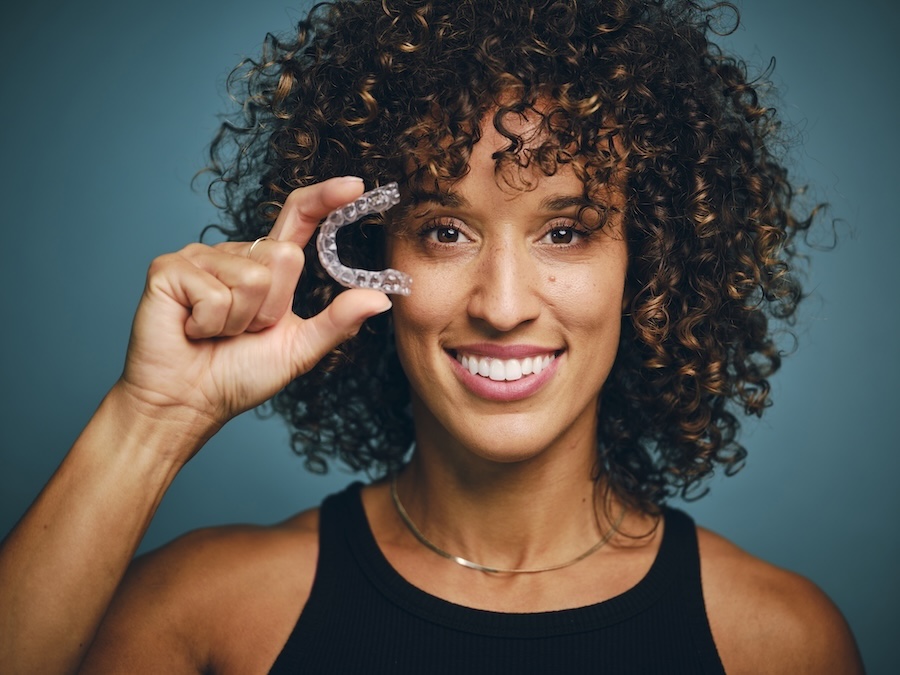
The good news is that age by itself does not close the door on orthodontic treatment. Clear aligners for adults can often move teeth gradually without brackets and wires, which makes treatment easier to fit into work, family, meals, and daily life. However, adult orthodontics still needs careful planning because gum health, bone support, old dental work, bite pressure, and past tooth movement can all affect the plan.
At Pearls Orthodontics in Pflugerville, TX, Dr. Patricia Ortiz Diaz can evaluate your teeth, bite, and goals to see whether clear aligners are a good fit. Some adults need only minor tooth movement, while others have crowding, spacing, bite concerns, or relapse from past braces. Either way, a consultation can give you a much clearer answer than tilting your head in the mirror and trying to decide whether that one tooth has moved since last year.
Why Adults Choose Clear Aligners
Adults often want orthodontic treatment that fits into a full schedule. Between work meetings, school pickups, travel, social events, and daily responsibilities, many people want an option that feels manageable. Clear aligners are removable, so eating, brushing, and flossing can stay more familiar than they might with brackets and wires.
Another reason adults ask about aligners is appearance. Clear aligners are not invisible, but they are less noticeable than traditional braces for many patients. That can help if you speak with clients, teach, attend meetings, or simply prefer a lower-profile option while your teeth move.
Comfort can also be part of the appeal. Aligners are smooth and custom-made to fit over the teeth, so they do not have brackets or wires that rub the cheeks. However, that does not mean treatment is sensation-free. You may still feel pressure when switching to a new tray, especially in the first day or two.
In addition, many adults like the routine of aligner treatment. You change trays on a schedule, wear them for the recommended number of hours, and check in with the orthodontist as needed. It still takes follow-through, but after the first week or so, the routine often starts to feel more normal.
Is It Ever Too Late to Straighten Your Teeth?
For many adults, it is not too late to straighten teeth. Teeth can move at many ages as long as the surrounding gums and bone are healthy enough to support that movement. Because of that, adults in their thirties, forties, fifties, and beyond may still be candidates for orthodontic treatment.
However, adult treatment is not exactly the same as teen treatment. Adults may have crowns, implants, bridges, missing teeth, gum recession, bone loss, or a history of periodontal disease. These details do not always prevent aligner treatment, but they do need to be considered before teeth start moving.
Also, teeth may move more slowly in some adults. That does not mean treatment will not work. It simply means the plan may need to be paced carefully. In some cases, the orthodontist may recommend coordination with your general dentist or periodontist before or during treatment.
The better question is not whether you are “too old.” It is whether your teeth, gums, bone, and bite are ready for orthodontic movement. Dr. Ortiz Diaz can check those details and explain what is realistic for your smile.
How Clear Aligners Move Adult Teeth
Clear aligners work by applying gentle, controlled pressure to the teeth. Each set of trays is shaped a little differently, and those small changes guide the teeth toward better positions over time. You wear one set for a prescribed period, then move to the next set as directed.
For adults, planning is especially important. The orthodontist needs to consider how each tooth should move, how the bite will come together, and whether any teeth need extra space. Sometimes small tooth-colored attachments are placed on certain teeth to help the aligners grip and guide movement more effectively.
Because aligners are removable, they only work when they are worn. Most patients need to wear them for most of the day and night, removing them for meals, drinks other than water, brushing, and flossing. If trays are left out too often, treatment can slow down or stop tracking correctly.
That is where adult schedules can help or get in the way. Some adults are very steady with aligners because they understand the investment they are making. But long dinners, travel days, coffee breaks, and busy routines can make wear time harder. A good plan should fit real life as much as possible, not some perfect version of it.
What Clear Aligners Can Help Correct
Clear aligners can help with many common adult orthodontic concerns. Mild to moderate crowding is one of the most common reasons adults ask about treatment. Crowded teeth can make cleaning harder, and they may make the smile look uneven or tight.
Spacing is another concern. Gaps between teeth may happen naturally, or they may develop because of tooth size, gum changes, missing teeth, or shifting over time. Aligners may be able to close certain spaces, although larger gaps or spaces related to missing teeth may need a more detailed plan.
Clear aligners can also help with some bite concerns. Depending on the case, aligners may improve overbite, underbite, crossbite, open bite, or teeth that do not meet evenly. However, not every bite issue can be fully corrected with aligners alone.
Because of that, a full evaluation is important. Two smiles can look similar from the front but need very different treatment. X-rays, photos, scans, and a bite evaluation help Dr. Ortiz Diaz see what is happening beyond the visible teeth.
When Clear Aligners May Not Be the Best Fit
Clear aligners are useful, but they are not the right answer for every case. Severe bite problems, major tooth rotations, certain jaw issues, or complex movements may need braces or another approach. Sometimes, braces can give the orthodontist more control.
Aligners may also be harder if a patient cannot wear them consistently. Since they are removable, they require daily follow-through. If trays are often left out for meals, coffee, snacks, or work events, treatment may take longer or become less predictable.
Certain dental conditions need attention before aligners begin. Active gum disease, untreated cavities, loose teeth, or unstable dental work should be addressed first. Moving teeth through unhealthy tissue can create problems, so a healthy foundation comes first.
In some cases, aligners may still be part of the plan, just not the first step. Dr. Ortiz Diaz may recommend dental treatment, periodontal care, or a different orthodontic option before deciding on clear aligners.
Clear Aligners and Adult Dental Work
Many adults have dental work, and that is normal. Fillings, crowns, veneers, bridges, implants, and missing teeth are all common by adulthood. However, these details can affect aligner planning, so they need to be discussed early.
Crowns and fillings can often move with the tooth if the natural root is healthy and the restoration is stable. Veneers may also be considered in the plan, although the orthodontist will want to protect them and avoid unnecessary stress. Attachments may need to be placed differently depending on the restoration.
Dental implants are different because they do not move like natural teeth. If you have an implant, the aligner plan has to work around it. Sometimes the implant can be used as a stable point, but it cannot be shifted into a new position.
Bridges can also limit movement because they connect multiple teeth together. That does not always rule out aligners, but it changes what can be done. That is why it helps to bring up past dental work during the consultation, even if it seems unrelated.
What Treatment Feels Like as an Adult
Clear aligners do not usually cause sharp pain, but they can create pressure. When you switch to a new tray, your teeth may feel sore or tight for a day or two. This usually means the aligners are applying force as planned.
Speech may feel slightly different at first. Some patients notice a small lisp for a few days while the tongue adjusts to the trays. However, most people adapt quickly once they wear the aligners consistently.
You may also notice that your teeth feel a little tender when eating after removing the trays. Because of that, softer foods can be easier right after a tray change. This does not last forever, but it can be part of the early adjustment.
The bigger adjustment is often habit-based. You will need to remove the trays before eating, brush before putting them back in when possible, and keep track of the case. It becomes routine, but the first week may feel like you are learning a new small habit.
How Long Clear Aligner Treatment Takes for Adults
Clear aligner treatment time depends on how much tooth movement is needed. Minor spacing or small relapse after braces may take less time than crowding, bite correction, or more complex changes. Some cases may take several months, while others may take a year or longer.
Wearing the trays as directed helps treatment stay on track. Aligners need enough daily wear time to work as planned. If trays are left out too often, teeth may not move properly, and treatment can take longer.
Adult biology can also affect timing. Teeth can move in adults, but the plan may need to respect bone density, gum health, and past dental history. Rushing tooth movement is not the goal. Moving teeth safely is.
During your consultation at Pearls Orthodontics, Dr. Ortiz Diaz can give you a more specific estimate after evaluating your teeth and bite. A treatment simulation may also help you see the planned movement before you begin.
What Daily Life Looks Like With Clear Aligners
Daily life with aligners usually gets easier once the routine clicks. You wear the trays most of the day, remove them to eat, drink anything besides water, and clean your teeth before putting them back in. At first, it may feel like a lot of steps. After a while, it becomes part of the day, like grabbing your keys before you leave.
Meals are often simpler than they are with braces because there are no brackets to work around. You do not have to avoid popcorn or crunchy foods because of wires, but you do need to remove the trays before eating. However, you should still avoid putting trays back over food or sugary residue.
Coffee, tea, and snacks can take some adjustment. Drinking coffee or tea with aligners in can stain the trays or trap liquid against the teeth. Because of that, many adults change their sipping habits during treatment, even if it takes a little getting used to.
If you are away from home, carry your aligner case with you. That way, you have somewhere safe to put your trays during meals. Wrapping them in a napkin may seem harmless, but aligners have a way of disappearing the second lunch is over.
Keeping Teeth Clean During Aligner Treatment
Clear aligners sit closely against the teeth, so oral hygiene is important. If plaque, sugar, or food particles are trapped under the trays, they can sit against the enamel for hours. That can increase the risk of cavities, staining, or gum irritation.
Brush after meals when possible before putting aligners back in. If brushing is not possible, rinse your mouth well with water and brush as soon as you can. Also, clean between the teeth daily because aligners do not replace flossing.
The trays need cleaning too. Rinse them when you remove them, and brush them gently with a soft toothbrush. Avoid hot water because heat can warp the plastic and affect the fit.
Regular dental cleanings should continue during orthodontic treatment. Your general dentist can help keep your teeth and gums healthy while Dr. Ortiz Diaz guides the tooth movement.
Why Retainers Still Matter After Clear Aligners
After clear aligner treatment, retainers help hold the teeth in their new positions. Teeth have a natural tendency to shift over time, especially if you had crowding or spacing before treatment. So, even after the aligners are done, retention is part of keeping the result.
Many adults already know this from experience. They had braces years ago, wore the retainer for a while, then life happened. Eventually, the teeth shifted. It is common, and it is also a good reminder that retainers are not just a finishing touch.
Your retainer schedule may change over time. Some patients wear retainers full-time at first, then switch to nighttime wear. Dr. Ortiz Diaz can explain what schedule makes sense for your case.
A retainer is much easier than having the same tooth drift back like it has unfinished business. It is not exciting, but it is a small habit that can protect the time and money you put into your smile.
Clear Aligners for Adults in Pflugerville, TX
Clear aligners for adults can be a good option if you want to straighten your teeth without traditional braces. Whether your teeth shifted after past orthodontic treatment or you are starting for the first time, it may not be too late to improve your smile and bite.
At Pearls Orthodontics in Pflugerville, TX, Dr. Patricia Ortiz Diaz can evaluate your teeth, gums, bite, and dental history to see whether aligners fit your needs. If clear aligners are a good option, she can explain the process, timeline, and what daily wear would look like. If another treatment would work better, you will know that too.
If you have been wondering whether adult orthodontic treatment still makes sense, schedule a consultation with Pearls Orthodontics. A clear answer can help you decide what comes next for your smile.
FAQs
Are clear aligners good for adults? Yes, clear aligners can work well for many adults. They may help correct crowding, spacing, and some bite concerns, as long as the teeth, gums, and bone are healthy enough for orthodontic movement.
Am I too old for clear aligners? Age alone usually does not prevent orthodontic treatment. Adults can often move teeth successfully, but gum health, bone support, dental work, and bite issues need to be evaluated first.
How long do clear aligners take for adults? Treatment time depends on the amount of tooth movement needed. Minor cases may take several months, while more involved cases may take a year or longer. Wearing aligners as directed helps keep treatment on track.
Can I get clear aligners if I have crowns or fillings? Many adults with crowns or fillings can still be candidates for clear aligners. However, the restorations need to be stable, and the treatment plan may need to account for them.
Can clear aligners fix bite problems? Clear aligners can improve some bite problems, including certain overbite, underbite, crossbite, and open bite concerns. More complex bite issues may need braces or another treatment approach.
Do I need a retainer after clear aligners? Yes, retainers are needed after clear aligner treatment. They help keep your teeth from shifting back after the active movement is complete.
Categorised in: Braces for Adults