Why You Should Choose a Board-Certified Orthodontist
Published September 23, 2026Choosing an orthodontist can feel pretty straightforward at first. You want straighter teeth, your child needs braces, or maybe your dentist mentioned that your bite should be checked. Then you start looking at offices and realize there are a lot more differences between providers than the brackets or aligner brands they offer.
One distinction you may see is board certification. Every orthodontist completes specialty training after dental school, but board certification requires another voluntary examination process through the American Board of Orthodontics. For patients, it gives you another piece of information about the doctor who will be planning and overseeing months or years of tooth movement.
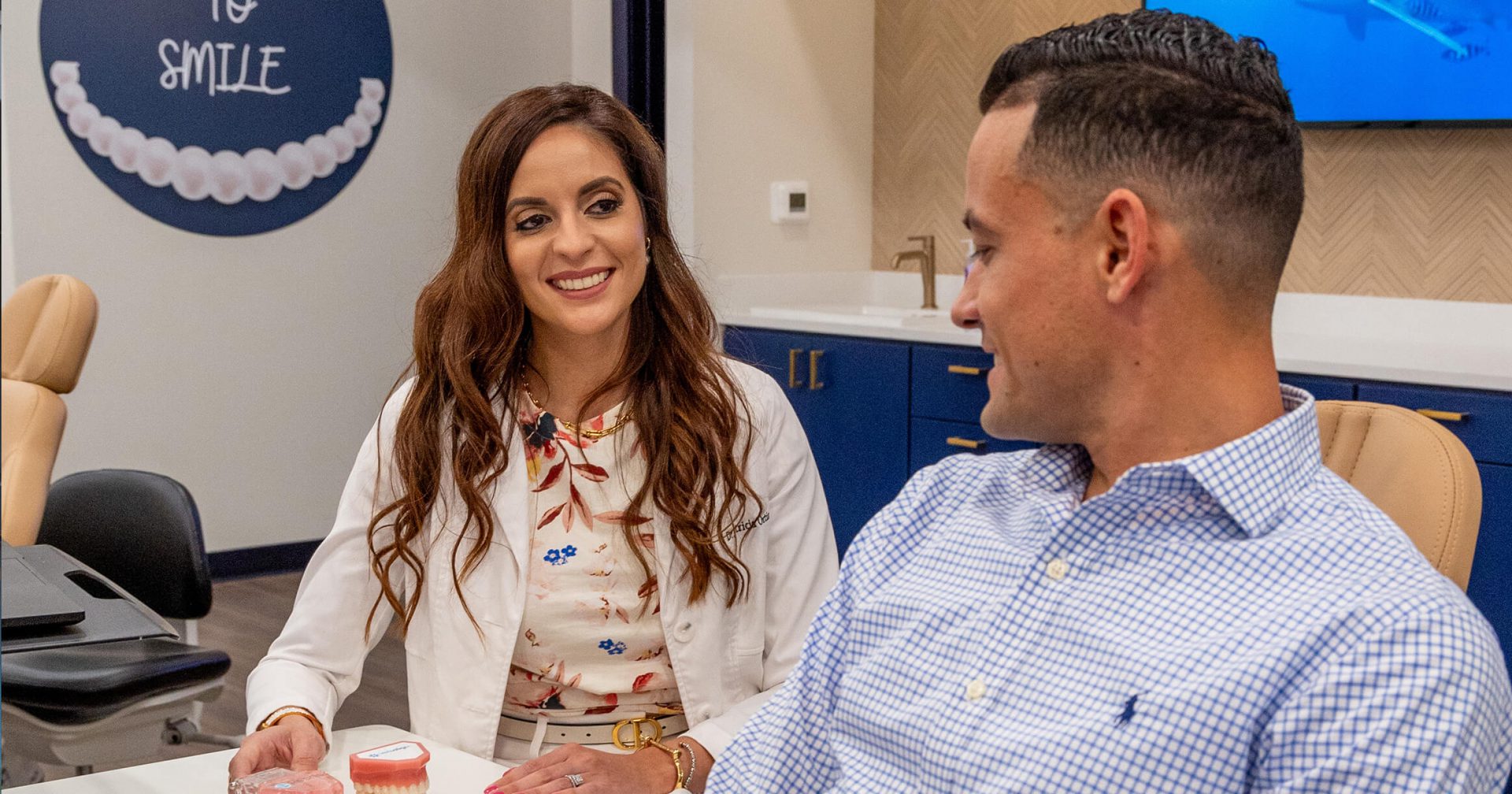
At Pearls Orthodontics in Pflugerville, Dr. Patricia Ortiz Diaz is a board-certified orthodontist who treats children, teens, and adults with braces, clear aligners, and other orthodontic options. So what does that credential actually mean when you are sitting in the consultation chair and deciding where to begin treatment?
Board Certification Comes After Orthodontic Specialty Training
Before someone can become an orthodontist, they first have to become a dentist. After dental school, orthodontists complete another two to three years of accredited specialty training focused on moving teeth, correcting bites, and understanding the relationship between the teeth, jaws, and face.
Board certification comes after that specialty education. The American Board of Orthodontics requires orthodontists seeking certification to complete written and clinical examinations. Certification must also be renewed to remain current.
When you compare orthodontic offices, many may offer the same types of treatment. You may see metal braces, ceramic braces, or clear aligners on several websites. The difference is in how the orthodontist uses those options—how they plan the movement, shape the bite, and adjust treatment as your teeth respond.
Orthodontic Treatment Is More Than Straightening the Front Teeth
Most people notice crooked or crowded front teeth first because those are the teeth they see in photos and the mirror. An orthodontist is also looking at how all of the teeth fit together when you bite. That can include overbites, underbites, crossbites, crowding, spacing, impacted teeth, and differences in jaw growth.
Sometimes the teeth that bother you most are not actually the hardest part of the case. The front teeth may straighten fairly early while the orthodontist continues working on the bite for months afterward. Parents may even wonder why braces are still on when their teenager’s smile already looks straight.
Dr. Ortiz looks at more than the tooth that sticks out or the gap someone wants closed. Records such as digital scans, photographs, and X-rays help her see the position of the teeth, roots, and jaws before deciding how treatment should proceed. Those details help shape the plan from the beginning.
A Board-Certified Orthodontist Has Completed Additional Testing
Board certification is voluntary, so orthodontists choose whether to go through the process. To earn certification through the American Board of Orthodontics, an orthodontist must successfully complete its examination requirements. Those exams assess orthodontic knowledge and clinical decision-making.
For patients, this means Dr. Ortiz chose to have her orthodontic knowledge and clinical skills evaluated beyond the education and licensing already required to practice. The certification also has to be maintained over time.
The American Board of Orthodontics currently requires renewal every ten years. If you are comparing orthodontists, board certification gives you another credential to look at alongside experience, treatment options, and how comfortable you feel with the office.
Treatment Planning Depends on More Than the Appliance
It is easy to shop for orthodontic treatment by appliance. One office offers clear aligners. Another advertises ceramic braces. Your teenager may already know which color bands they want before you have even scheduled the consultation.
But the same appliance can be used very differently from one patient to the next. Two people can walk into our Pflugerville office wanting straighter teeth and leave with different recommendations. One may have mild crowding that responds well to clear aligners, while another may also have an impacted tooth, a crossbite, or a jaw relationship that needs more attention.
The amount of crowding, the position of the roots, jaw growth, missing teeth, impacted teeth, and the way the upper and lower teeth meet can all affect treatment. Dr. Ortiz looks at those details before recommending braces, aligners, or another approach.
Someone Has to Watch How the Teeth Are Actually Moving
You may begin treatment with a carefully planned series of aligners or a specific wire in your braces, but teeth do not always move at exactly the same pace. One tooth may lag behind, an aligner may stop fitting closely, or the bite may need a different adjustment partway through treatment.
Those regular visits are not just opportunities to pick new band colors or receive the next box of aligners. Dr. Ortiz is checking how your teeth are responding and whether treatment is still moving in the intended direction. If something is not tracking the way it should, she can adjust the plan.
That might mean changing a wire, adding elastics, ordering refinements, or giving one stubborn tooth a little more attention. Those course corrections are a normal part of orthodontic treatment, and they are one reason it helps to have an orthodontist closely following your progress from start to finish.
Growing Kids Need Careful Timing
Parents often first bring a child to the orthodontist while baby teeth are still falling out and permanent teeth are arriving in every direction. Dr. Ortiz may be looking at whether permanent teeth have enough room to erupt, how the jaws are growing, and whether a bite problem would be easier to address while a child is still developing.
Some children benefit from early orthodontic treatment, while others may only need to come back periodically as more permanent teeth arrive. A crossbite, crowding, protruding front teeth, or certain jaw growth concerns may be easier to address earlier. In other cases, there may be no reason to start treatment yet.
Later, growth still plays a role. A child who grew three inches since the last school year may have changes happening in the jaws as well. Specialty training in orthodontics and dentofacial orthopedics gives orthodontists the background to evaluate those changes along with the teeth.
Adult Orthodontic Treatment Can Look Different
Adults are often less worried about picking band colors and more interested in how treatment will fit around work, eating, photos, or an upcoming event. Some have teeth that shifted after braces years ago. Others have wanted to straighten their teeth for decades and are finally ready to do something about it.
Adult mouths can also come with dental history that teenagers usually do not have. Crowns, implants, missing teeth, gum concerns, and older dental work may all affect treatment planning. Sometimes orthodontic treatment is part of a larger plan with a general dentist or another dental specialist.
Dr. Ortiz can look at your current bite, dental history, and treatment goals together. You may prefer clear aligners because of work or travel, while someone else may be more comfortable with braces. The recommendation still has to fit what your teeth and bite need.
You Should Feel Comfortable Asking Questions
Orthodontic treatment lasts long enough that questions are going to come up. Parents may want to know why their child suddenly needs elastics, what still needs to happen before braces come off, or why one tooth seems slower than the others. Adults may have questions about aligner wear, travel, soreness, or changes they notice between appointments.
At Pearls Orthodontics, Dr. Ortiz provides personalized orthodontic care for children, teens, and adults. Our Pflugerville office also offers both in-person and virtual consultations, and our bilingual team can provide care in English or Spanish.
You will probably have plenty of smaller questions along the way too. Can my child still play trumpet? What happens if I lose an aligner on vacation? Why does this one tooth suddenly feel sore? Having an orthodontic team you are comfortable talking to makes the process easier from the first consultation through the last retainer check.
Choosing a Board-Certified Orthodontist in Pflugerville
Board certification gives you one more way to look at an orthodontist’s training and commitment to the specialty. Dr. Patricia Ortiz Diaz completed advanced orthodontic training and then went through the additional certification process with the American Board of Orthodontics.
At Pearls Orthodontics in Pflugerville, we treat children, teens, and adults with braces, clear aligners, and other orthodontic options based on their individual needs. If you are thinking about orthodontic treatment for yourself or your child, schedule a consultation with Dr. Ortiz and come meet our team. We would love to help you feel confident about your next step toward a healthier, straighter smile!
Categorised in: Orthodontic FAQ, Our Office